
Asset users
- Repayments better aligned with productive capacity
- Improved affordability
- Reduced pressure during low-use periods
ClimaFI connects capital to productive-use assets with flexible repayments informed by monitored asset utilisation—helping improve affordability for users and repayment reliability for financiers.
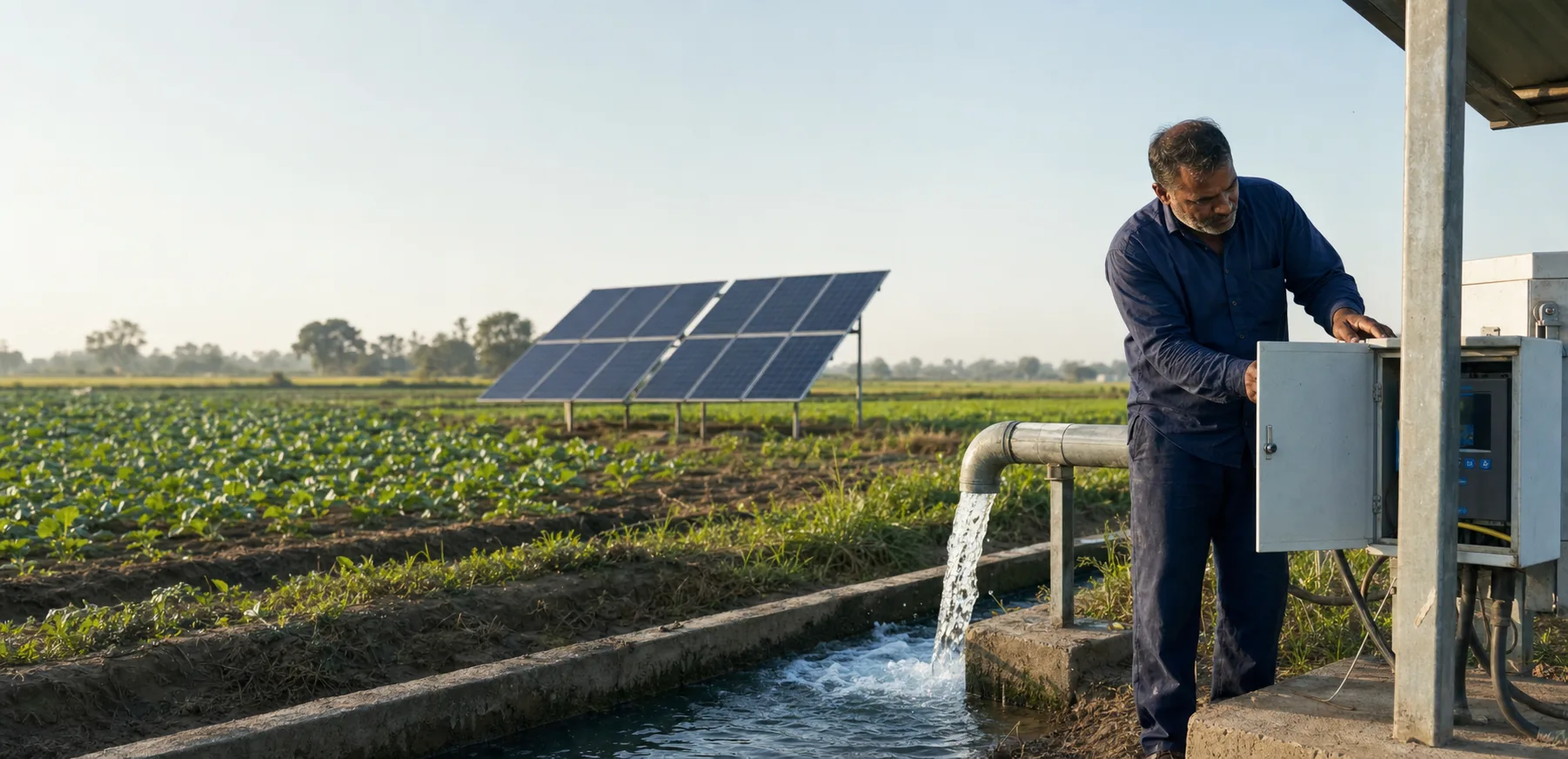
Monitored productive use informs flexible repayments
Why fixed repayments fail
When asset use and income fluctuate, a fixed repayment can be poorly matched to productive capacity. That can place pressure on users during low-use periods and create unnecessary financing uncertainty.
How it works
ClimaFI monitors agreed signals from a productive asset and uses them to inform flexible repayments within agreed commercial terms. It is not a simple revenue share: the mechanism remains bounded by the financing agreement.

Repayment logic
The repayment amount is informed by monitored utilisation or productive output—not reduced arbitrarily. Commercial terms define the applicable signals and boundaries.
Illustrative repayment curve
Lower productive use can result in lower repayments; higher productive use can support higher repayments, within agreed floor and cap terms.
This graphic is illustrative only. Actual repayment rules, floors and caps are defined in the commercial agreement.
Benefits by stakeholder
Productive asset examples
Grain mills, coffee pulpers and cold storage
Utilisation signal: Operating hours, kilowatt-hours, throughput or output
Solar equipment, refrigeration and water pumps
Utilisation signal: Energy generation, service usage or productive output
Water kiosks, pumping systems and filtration
Utilisation signal: Delivered water volume or operating activity
E-mobility, cold-chain vehicles and community logistics assets
Utilisation signal: Kilometres, operating hours or deliveries
How this connects to ClimaFI’s wider platform
Where an applicable methodology, evidence rules and attribution requirements are defined, operational data may also support ClimaFI’s separate Impact Funding capability. Financing itself does not automatically create a verified impact outcome.
Partnerships
Talk with ClimaFI about productive-asset finance, results-based funding or an implementation partnership.